
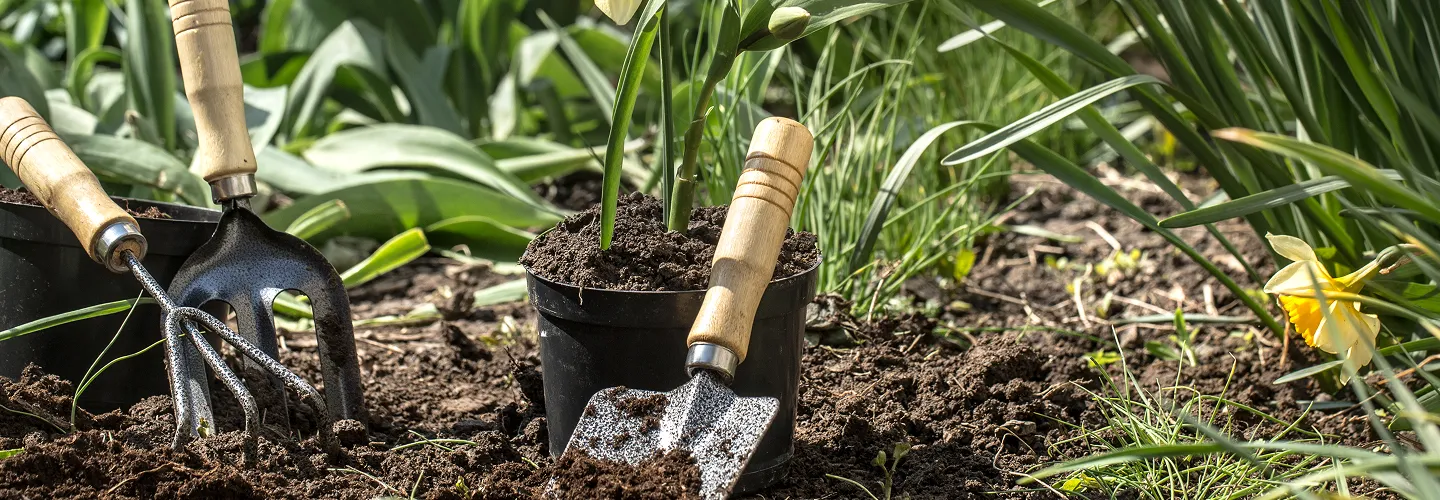
Butler Weeding Services
Choose our expert weeding services for a healthier, more beautiful lawn—our experienced team removes unwanted growth efficiently, ensuring your garden thrives and your outdoor space stays pristine all season long.
Get a Free QuoteOur Butler Landscaping & Yard Care Services
When to Schedule Weeding in Butler, Georgia – Seasonal Guide
In Butler, Georgia, timing your weeding services is crucial for maintaining healthy, attractive landscapes throughout the year. The region’s humid subtropical climate means that weeds can thrive from early spring through late fall, especially in neighborhoods near Taylor County Courthouse or along Oak Street, where mature trees and varied terrain create unique microclimates. The optimal periods for weeding are typically early spring—just after the last frost—and again in late summer, before autumn rains encourage new weed growth.
Local environmental factors play a significant role in determining the best schedule for weeding. Butler’s soil tends to be a mix of clay and loam, which can retain moisture and promote weed proliferation, particularly in shaded yards or areas with dense tree coverage. Homeowners should also consider the risk of summer droughts, which can stress desirable plants and give weeds a competitive edge. For more information on local climate and gardening resources, visit the Sudbury municipal site.
Local Factors to Consider for Weeding in Butler
- Tree density and shade coverage, especially in neighborhoods like Pine Grove
- Soil type (clay, loam, or sandy patches)
- Average precipitation and risk of summer drought
- Frost dates and seasonal temperature swings
- Terrain variations, such as slopes or low-lying areas
- Municipal restrictions or local ordinances on herbicide use
Benefits of Weeding in Butler

Improved Curb Appeal
Healthier Plant Growth
Reduced Pest Infestation
Enhanced Soil Quality
Professional and Reliable Service
Time and Effort Savings
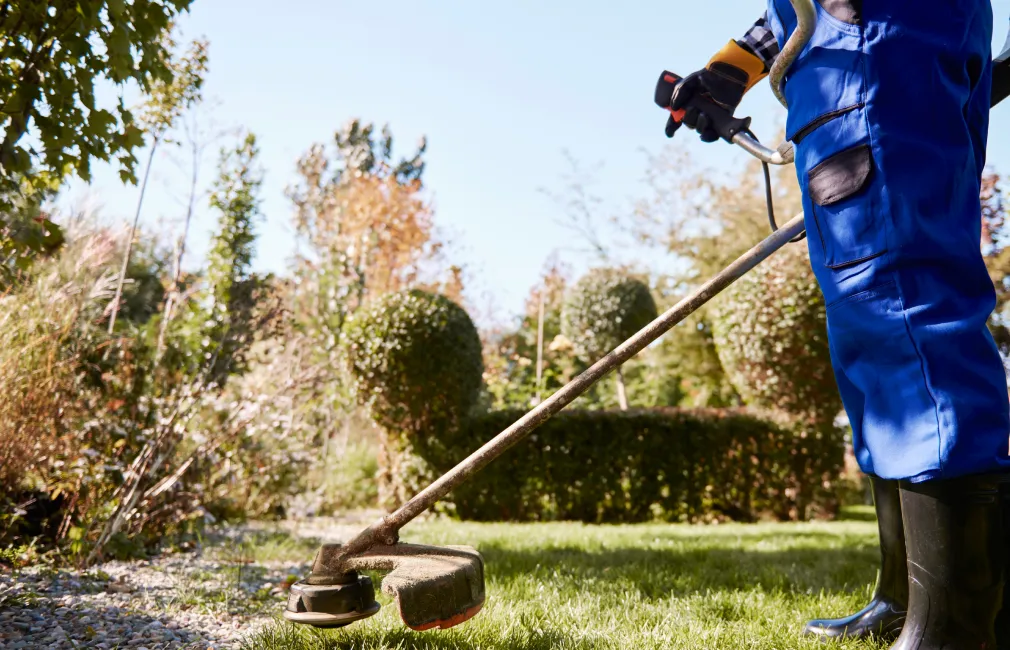
Butler Weeding Types

Hand Weeding
-
Mechanical Weeding
-
Chemical Weed Control
-
Mulching for Weed Suppression
-
Flame Weeding
-
Soil Solarization
-
Selective Herbicide Application
Our Weeding Process
Site Evaluation
Weed Identification
Targeted Removal
Soil Treatment
Final Inspection
Why Choose Butler Landscape Services
-
Butler Homeowners Trust Us
-
Expert Lawn Maintenance
-
Reliable Scheduling
-
Competitive Pricing
-
Professional Team
-
Satisfaction Guarantee
-
Personalized Service
Managing Weeding in Butler’s Mixed Clay and Sandy Soils
Weed management in Butler, Georgia, requires careful attention to the city’s predominant soil types, which include both Cecil sandy loam and Greenville clay loam according to the USDA Web Soil Survey. These soils are often acidic (pH 5.5–6.5) and can present compaction or drainage challenges, especially in older neighborhoods or areas with fill soils. Effective weeding should include:
- Regular soil testing to monitor pH and nutrient levels
- Mulching to suppress weed growth and retain soil moisture
- Manual removal or targeted herbicide use, with caution near drainage ditches and stormwater inlets
- Avoiding soil disturbance during wet periods to prevent erosion Timing is best in early spring and late fall, when weed seedlings are most vulnerable. Residents should consult UGA Cooperative Extension for region-specific recommendations and always verify that any herbicide application complies with local and state regulations.
Butler Public Works Guidelines for Yard Waste and Weed Debris Disposal
Proper disposal of weed debris is essential for maintaining public health and preventing stormwater contamination in Butler. The City of Butler Public Works Department oversees yard waste collection and enforces local ordinances regarding debris placement. Key guidelines include:
- Bundling or bagging weed debris for curbside collection on designated days
- Keeping debris out of storm drains, ditches, and roadways
- Avoiding placement of yard waste within 10 feet of stormwater inlets
- Confirming collection schedules and requirements with the city Improper disposal can result in code enforcement action or fines. For up-to-date procedures and collection schedules, residents should review the city’s official resources.
City of Butler Public Works
12 Cedar Street, Butler, GA 31006
Phone: (478) 862-5435
Official Website: City of Butler Public Works
Environmental Compliance: Protecting Butler’s Streams and Drainage Corridors During Weeding
Weeding activities in Butler must be conducted with care near local streams, drainage ditches, and stormwater features to prevent sediment and chemical runoff. The city is part of the Middle Georgia region, where heavy rainfall can quickly transport debris and pollutants into waterways. Best practices include:
- Maintaining a buffer of at least 25 feet from streams and ditches when applying herbicides
- Using only Georgia Department of Agriculture-approved products
- Avoiding weeding during or immediately before forecasted rain events (National Weather Service)
- Collecting and disposing of all weed debris away from water features Compliance with Georgia EPD water quality standards is required to protect local aquatic habitats and meet Clean Water Act obligations.
Georgia Environmental Protection Division
2 Martin Luther King Jr. Drive SE, Suite 1456, Atlanta, GA 30334
Phone: (404) 657-5947
Official Website: Georgia EPD
Seasonal Timing and Integrated Weeding Methods for Butler’s Long Growing Season
Butler’s USDA Hardiness Zone 8a supports a long growing season, with weed pressure peaking from March through October. Integrated weeding methods are recommended to minimize chemical use and environmental impact. Residents and property managers should:
- Schedule primary weeding in early spring (March–April) and late summer (August–September)
- Use mulch and groundcovers to suppress annual weeds
- Rotate manual, mechanical, and chemical controls as needed
- Monitor for invasive species, referencing UGA Extension - Invasive Species
- Adjust practices based on rainfall and soil moisture Regular monitoring and prompt removal of weeds before seed set are critical for long-term control and compliance with local property maintenance codes.
What Neighborhoods Do We Serve Throughout Butler, GA?
- Downtown Butler: Features compacted clay soils and mature tree canopy, requiring careful hand weeding and attention to runoff near sidewalks and streets.
- North Butler Residential: Newer subdivisions with mixed sandy and clay soils, often with HOA guidelines for yard appearance and debris containment.
- Southside Estates: Larger lots with drainage ditches and proximity to wooded areas, increasing the need for buffer zones and invasive species monitoring.
- West Butler Historic District: Older homes with established landscaping and narrow streets, where weed debris must be managed to avoid blocking right-of-way.
- East Butler Corridor: Includes commercial and mixed-use properties with high foot traffic, necessitating frequent weed control and compliance with city visibility ordinances.
- Taylor County Park Vicinity: Adjacent to recreational areas and greenways, requiring special care to prevent herbicide drift and protect public spaces.